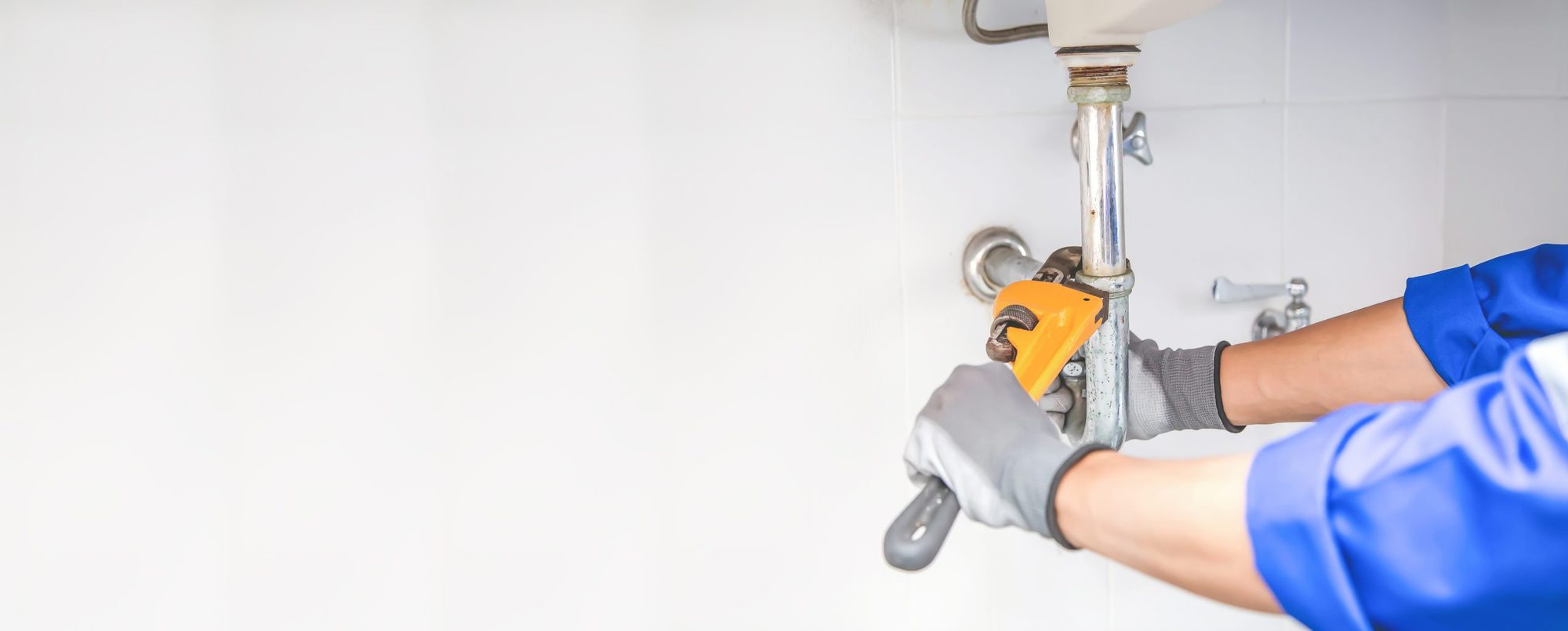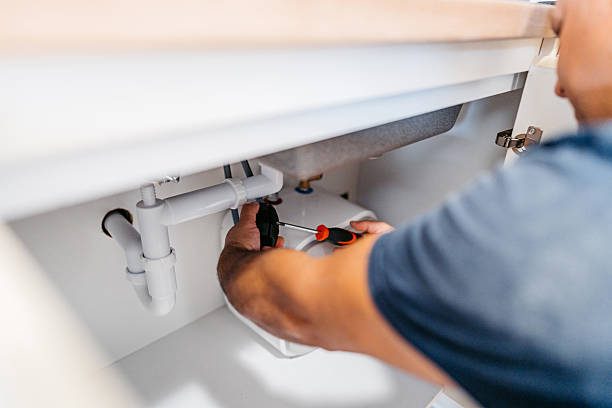
Plumbing rarely fails without warning. It usually gives you weeks of small hints first, and most of the expensive jobs we attend started as something the owner had noticed but not got round to. Here are five signs worth acting on.
1. A drop in water pressure
If the shower has gone weak or a tap that used to run hard now dribbles, something is restricting the flow. On a single outlet it is often limescale in the aerator or a failing valve, which is a small job. When the pressure has dropped across the whole property, the cause is usually further back in the pipework and can point to a leak you cannot see yet.
Pressure that falls gradually over months tends to be scale. Pressure that drops suddenly is worth a phone call the same week.
2. Damp patches, stains or a musty smell
A brown ring on a ceiling, a skirting board that feels soft, or a cupboard that smells musty all say the same thing. Water is getting somewhere it should not be and has been doing so for a while.
These leaks are slow, which is exactly why they cost so much. By the time the stain appears, the water has usually been sitting in a floor void or a wall cavity long enough to do real damage to plaster and timber.
Worth knowing: a stain that grows after every shower or every wash cycle tells you which appliance to look at first. Note when it gets worse before you call, it saves time on site.
3. Drains that are slow or gurgling
One slow sink is a local blockage. Several slow drains, or a gurgle from a bath when you empty the basin, suggests the problem is in the shared waste pipe rather than the trap under the appliance.
That matters because the fixes are different. A blocked trap takes minutes. A partially blocked soil stack will keep coming back until it is cleared properly, and in the meantime it can push waste water into the lowest appliance in the property.
4. Banging, knocking or whistling pipes
Pipework should be quiet. A bang when you shut a tap, often called water hammer, means pressure has nowhere to go and is hitting the fittings. Left alone it works joints loose over time.
A constant whistle usually points to a valve that is partly closed or a washer starting to fail. Neither is urgent on the day, but both are cheap to sort now and annoying to sort after a joint has parted.
5. A water bill that has climbed for no reason
If nothing about the household has changed and the bill has gone up, the most likely explanation is a leak running continuously somewhere. An overflowing cistern that trickles into the pan is a common culprit, because it makes almost no noise and leaves no mark.
There is a simple check. Turn every tap and appliance off, then look at the water meter. If the dial is still moving, water is going somewhere.
When to stop reading and pick up the phone
Anything on this list is worth booking in. Two situations should not wait: water appearing near electrical fittings, and a leak you cannot stop at the stopcock. Both are emergencies, and both are cheaper to deal with at two in the morning than at nine the next day.