Maintenance is a hard sell, because a job that goes well produces nothing visible. Nobody gets to see the burst pipe that did not happen. It is still the cheapest money you will spend on a property, and here is why.
Repairs cost more than upkeep, every time
The cost of a plumbing job is rarely the plumbing. Replacing a failed washer is minor work. Replacing a failed washer after it has soaked a floor means drying, replastering, redecorating and possibly new flooring, plus the disruption of having all that done.
The same repair, carried out before the failure rather than after it, skips every one of those costs.
Small faults are early warnings
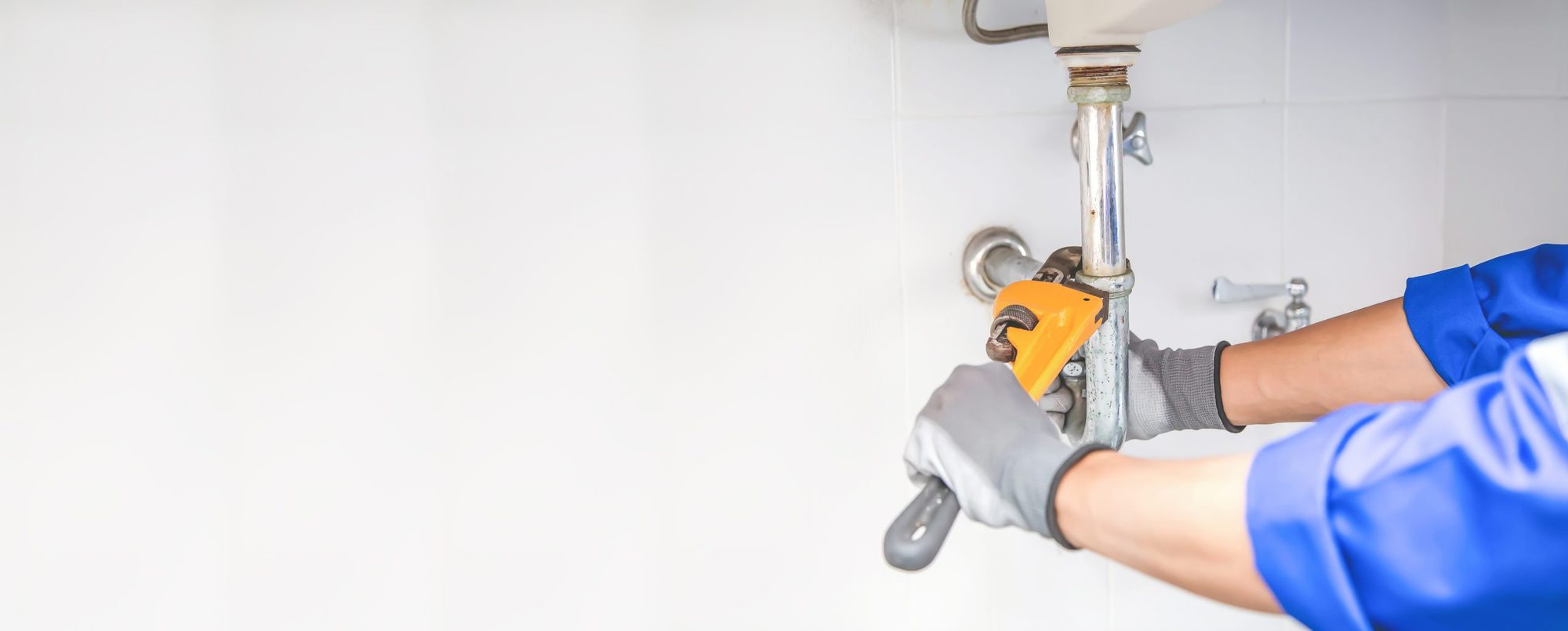
During a maintenance visit a plumber looks at things nobody thinks to check. Isolation valves that have seized. Flexible hoses behind a washing machine that have started to bulge. Sealant around a bath that has lifted at one corner and is letting water into the floor with every shower.
None of these will cause a problem this week. All of them will cause a problem eventually, and all of them are quick to deal with while they are still small.
The hoses are worth a look yourself. Braided flexible hoses under sinks and behind appliances have a service life. When the braiding rusts or the hose swells, it is living on borrowed time, and they fail at full mains pressure.
Efficiency quietly drops
Limescale coats the inside of pipework and heating elements. A scaled up system takes longer to heat water and delivers less of it, so you pay more for the same bath. Radiators with air trapped in them heat unevenly and the boiler runs longer to compensate.
Bleeding radiators, checking system pressure and dealing with scale are all routine jobs. They are also the ones most likely to be left for years.
Landlords have more to lose
In a rented property, a plumbing failure is not only a repair bill. It is a tenant without hot water, an out of hours call-out at a premium, and potentially a claim for damaged belongings. Planned maintenance between tenancies is the cheapest window you will get, because the property is empty and nothing has to be worked around.
It also produces a record. Being able to show a property has been maintained matters when a dispute comes up later.
What a sensible schedule looks like
- An annual check of visible pipework, stopcocks and isolation valves
- Flexible hoses inspected and replaced on age rather than on failure
- Sealant around baths and showers checked and renewed when it lifts
- Radiators bled and system pressure checked before the heating season
- Gutters and external drains cleared in autumn
- Water meter checked once a year to catch a hidden leak
None of it is complicated. The value is in it actually happening, which is the part most properties get wrong.